Farhan Bin Fozian
Director of Land Management , Business Development and ESG
Sarawak Metro Sdn Bhd
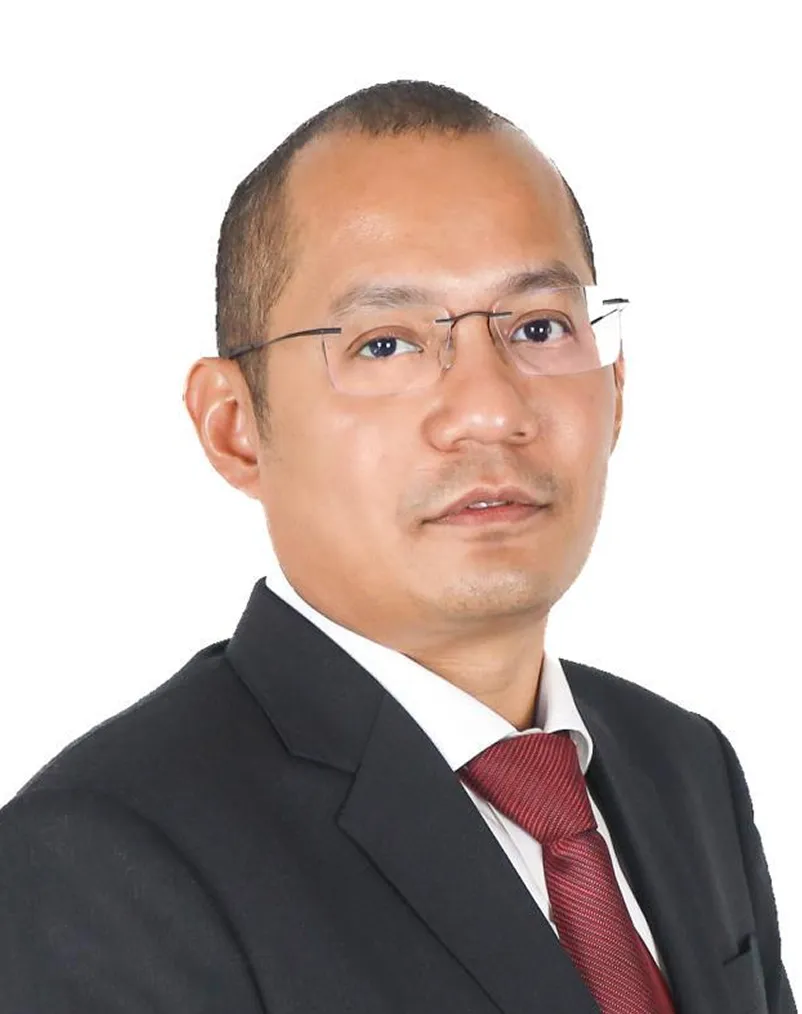
Farhan Bin Fozian is the Director of Land Management, Business Development & ESG at Sarawak Metro Sdn Bhd (SMSB), a wholly owned subsidiary of a Sarawak State Government agency. He holds a Bachelor of Engineering (Hons.) in Mechanical Engineering from Universiti Teknologi MARA.
SMSB has been entrusted with transforming public road transport in Sarawak’s major urban areas and is presently implementing the Kuching Urban Transportation System (KUTS) Project, under the purview of the Ministry of Transport Sarawak. The backbone of KUTS is the Autonomous Rapid Transit (ART) system, powered by hydrogen, aimed to ease traffic congestion, boosting productivity, and stimulate economic growth while fostering a sustainable, green environment.
With over 15 years of experience in contracts, commercial management, and project management across the railway and oil & gas industries, Farhan has been instrumental in delivering complex, high-value infrastructure projects. His expertise covers the entire project lifecycle—from tendering and contract negotiations to cost optimisation and risk management—earning him recognition as a trusted advisor in strategic decision-making.
Farhan has contributed to several landmark projects, including:
1. Kelana Jaya Line Extension Project (LRT2)
2. Light Rail Transit 3 (LRT3)
3. Ho Chi Minh MRT Line 1
4. Algeria System Design & Integration Work – Telecommunication Systems for Hassi Messaoud Upside North Project
5. Kuching Urban Transportation System (KUTS) Project